Pickleball Near Me: Era Pickleball’s Quick Start Guide
When I first started exploring Era Pickleball, the idea of finding reliable pickleball near me felt like chasing a moving target. The sport is simple on paper, but the ecosystem around it—courts, memberships, leagues, and the community—can be a maze if you don’t have a dependable map. Era Pickleball changed that for me. It isn’t just a place to hit balls; it’s a hub where beginners can learn quickly, players can elevate their game, and neighborhoods gain a social heartbeat around a sport that rewards smart play and consistent practice. Below is a practical, experience-backed tour through Era Pickleball, with concrete steps, honest tradeoffs, and a clear sense of how to navigate both indoor and outdoor pickleball courts.
A quick note up front about the landscape. Era Pickleball has built both indoor pickleball courts and outdoor pickleball courts, along with a facility that blends play spaces with training and social frames. The scheduling, the memberships, and the lesson options are designed to be approachable for newcomers yet robust enough for serious players. If you’re starting from scratch, you’ll want a plan that gets you onto a court in the first week and then builds toward a sustainable rhythm. If you’re moving from another city or region, you’ll appreciate the way Era Pickleball keeps the community connected, with predictable schedules, accessible courts, and a sequence of programs that ladder you from casual play into a structured couple of hours of training and competition.
Catching the feel of a club without the drama is the first hurdle. For many, the experience hinges on court availability, the friendliness of front desk staff, the quality of the nets, and the culture around rules and etiquette. Era Pickleball answers these concerns with a clear, consistent approach: well-maintained surfaces, properly tensioned nets, and a policy that keeps the pace moving so you’re not left waiting in a queue while your feet go cold. The first week on a new court is where impressions crystallize. You’ll learn a routine that you’ll repeat with small tweaks—how you warm up, how you enter drills, how you track your progress, and how you keep your mind engaged during longer matches.
Finding Era Pickleball near you can be as simple as a quick online search, but the real work is choosing the right program within the Era ecosystem. Indoor pickleball courts give you a controlled environment with consistent court speed and little weather variability. Outdoor pickleball courts let you practice shot selection with wind and sun in play. The decision of where to start often comes down to your access to indoor spaces during shoulder seasons or winter weather and your appetite for the social energy that outdoor play can generate in temperate months. My own experience has shown that starting indoors for the first month can speed up technique adoption, and then moving to the outdoor courts as your confidence grows helps anchor your game in a broader skill set.
From the moment you walk into an Era Pickleball facility, you should notice three things that signal quality: court cleanliness and surface integrity, the organization of the front desk, and the availability of a clear, predictable schedule. Clean courts aren’t just about aesthetics. They reflect a culture that takes care of the space, which translates into better ball bounce, fewer injuries, and a more focused practice session. A well-run front desk means you won’t waste time filling out paperwork or chasing class slots. Predictable schedules matter because they let you plan your week with confidence. If you hear a lot of “sometimes,” “maybe,” or “we’ll see,” look for another facility that can offer more reliability.
The beginner’s path through Era Pickleball blends three core activities: guided lessons, open play, and structured drills. Lessons teach the basics—grips, ready positions, dinking technique, and depth control. Open play gives you real court time with partners and opponents, which is where you translate technique into decision making under pressure. Drills are the bridge between technique and game reality, focusing on specific skills in a controlled environment. If you’re truly starting from zero, I recommend a weekly cadence that alternates between a formal lesson and a clinic or drill session, followed by a couple of hours of open play sprinkled in as you gain comfort. As you move beyond basic mechanics, you’ll want to add a coaching element that suits your goals, whether it’s improving your dink game, your serve tactics, or your transition to the net.
A thread that runs through Era Pickleball’s offering is the versatility of challenges. Indoor courts can be more forgiving for early tempo work because the bounce and speed are consistent, which makes it easier to learn the timing of your shots. Outdoor courts, while they introduce the variability of wind and sun, push you to adapt quickly, a skill that pays dividends in competitive settings. The best players don’t just master the ball; they master the moment. They read the court, anticipate opponents’ moves, and adjust their shot selection on the fly. That adaptability—cultivated through a mix of indoor practice and outdoor scrimmage—defines a mature pickleball player. Era Pickleball clubs facilitate this progression by providing both environments and a structured ladder of programs, from beginner clinics to intermediate match nights and beyond.
If you’re checking out a specific Era Pickleball facility, there are a few practical moves that pay off right away. First, book a quick introductory session. You’ll get a sense of how the staff runs drills, how the nets feel, and how the layout supports your warmups and cooldowns. Second, observe the scheduling cadence during peak hours. Are there enough courts to avoid long waits? Do you find that the most intense practice blocks occur when you’re available, or do you have to rearrange your day to fit the prime times? Third, when you’re in the lobby between sessions, listen for the club energy. A strong community shows up through kind banter, helpful players offering tips to newcomers, and a transparent approach to substitutions and substitutions limitations during clinics. These micro signals matter because they predict the kind of friction or flow you’ll experience during longer commitments, such as a league season or a membership program.
The question of memberships is a real one for most players. Era Pickleball memberships can unlock access to special events, discounted clinic rates, and priority booking during busy times. The economics of a membership make sense if you’re playing a few times a week, regularly pursuing drills, and planning to participate in leagues or social evenings. If you’re casually playing once or twice a week, you may still find that pay-as-you-go options are preferable, particularly during peak months when the demand for courts is higher. The smart path is to estimate your monthly court hours and multiply by the per-session price, then compare that against a typical membership tier. It’s not just about money, though. A membership often signals commitment, a sense of belonging, and a regular schedule, which can be the difference between a plateau and steady improvement.
Leagues and events are where you feel the full value of Era Pickleball. A league delivers consistent play and a framework for competition that keeps you honest about your strengths and weaknesses. Even as a newer player, a well-structured league can be a confidence booster, because you understand the gaps in your game when you’re forced to respond to different partners and opponents. Beyond standard leagues, Era Pickleball frequently hosts social events, round robins, and skill clinics that align with the season. If you’re curious about the competitive path, you should look for a league schedule that outlines match formats, the length of each round, and the buddy system that pairs new players with more experienced teammates. The benefit is immediate: you’ll gain a practical sense of match rhythm, shot selection under pressure, and the mental stamina to stay composed after a bad point.
For the long view, a focused, structured practice plan beats random play every time. Your plan should combine technique, strategy, and play experience with a clear, actionable timeline. In my own routine, a typical week looks like this: two 60-minute technique sessions centered on specific strokes, one 90-minute drills block that challenges your decision making at the net, and two hours of open play spread across indoor and outdoor courts. Over a month, that yields a tangible increase in consistency and a better win rate against players of similar skill. The trick is to adjust the plan as you improve. If your serving is your weak link, devote a portion of drills to opening angles and short-court placement. If your net game is below par, schedule more transition practice and half-court games that force you to convert putaways into points.
When you start exploring eras of play, you’ll encounter a few edge cases that are worth noting. First, weather can push you toward indoor play for extended stretches, but it may also drive you to outdoor options that aren’t always available at the same time. If you live in a region with harsh seasons, a facility that can guarantee a weekly block of indoor court time will be a godsend. Second, court surfacing matters more than you expect. A few inches of the wrong surface texture can throw off your footwork and timing, which in turn affects your control on shots like the drop shot or the fast dink. If you’re choosing between two facilities with similar schedules, ask about the resurfacing cycle, the type of court material, and whether the facility uses light-rail nets that are easy to adjust and maintain. Third, community tone matters just as much as schedule and space. A facility can have top-tier courts, but if the culture around coaching is overly competitive or dismissive of beginners, you’ll churn through sessions without building real confidence.
In all of this, your mindset matters as much as your technique. The most successful players I’ve known approach each session with a simple framework: identify one skill to improve, measure one aspect of decision making in every point, and end with a brief reflection on what you learned. It’s not flashy, but it’s incredibly effective. You’ll notice small, cumulative gains—better placement of lobs, sharper transition to the net, faster recognition of drops when your opponent changes pace. The discipline pays off in longer rallies and in the ability to reset after a mistake without spiraling into self-doubt.
An honest appraisal of Era Pickleball’s offering includes a few trade-offs you should consider. First, like any thriving community hub, it can get crowded during peak hours. You may find yourself queuing for a court or sharing a court with extra players for a single session. If your goal is to build a highly controlled practice environment, you’ll want to align your schedule with off-peak times to minimize waiting. Second, while the lesson and clinic catalog is broad, the quality of instruction can vary a bit by the coach. If you’re serious about your development, it pays to try a few different coaches, take a short-term package with a couple of clinics, and then settle into a singular, continuity-based coaching relationship with a coach whose style and feedback mesh with yours. Third, the social energy can be a double-edged sword. A thriving, supportive community accelerates learning, yet it can be intimidating for a new player who isn’t ready for social dynamics or who prefers solitary practice to a club atmosphere. The antidote is simple: set your boundary around practice blocks, participate in social events at your own pace, and focus on your personal numbers and progress.
Now, let me ground this in a practical, actionable path you can follow in the coming weeks. If you’re asking, “Where do I begin with Era Pickleball near me?” here is a straightforward journey you can adopt, one that assumes you’re starting with a basic understanding of the sport.
Begin with a discovery phase. Spend two visits exploring a nearby Era Pickleball facility. On the first visit, book a short introductory lesson and watch a beginner clinic to understand the teaching style and court flow. On the second visit, participate in an open play block and ask staff about the best times to book a few weeks ahead for consistent practice. This phase is about getting comfortable with the environment, the pace of play, and the people who populate the club.
Move into a structured routine. Based on your availability, set a weekly rhythm that includes one technique session, one drill or clinic, and two hours of open play split across indoor and outdoor courts as the season allows. For the first four weeks, track your progress in a simple notebook or a notes app. Jot down the date, what drill or lesson you worked on, and your quick read on what improved and what didn’t. The aim is not perfection but consistency. By the end of the first month, you should feel a measurable improvement in ball control, rally length, and your confidence at the net.
Engage with the community. Attend a league night or a social event at least once a month. The social layer of Era Pickleball isn’t just extra; it anchors your motivation and tests your skills in a realistic, pressure-free setting. If you’re shy, you can ease in by watching a session one night and signing up for a beginner-friendly league the following week. If you’re more extroverted, you’ll find the social events to be catalysts for rapid growth, as you gain feedback not just from coaches but from players who have walked the path you’re on.
Advance toward a personal program. After six to eight weeks, you should be ready to craft a personal program that aligns with your goals. If your aim is competitive improvement, you’ll intensify drill work that targets your weak points and add match play blocks on weekends. If your aim is social connection and consistent exercise, you’ll emphasize consistent open play and regular clinics that reinforce technique while keeping the social element intact. The moment you decide to commit to a longer-term plan, you’ll begin to see a compounding effect: your shots will land more consistently, your decision making will sharpen, and your legs will carry you through longer rallies with less fatigue.
Throughout this journey, the practical details matter and so does the way you talk to yourself about progress. I’ve found that the most sustainable growth happens when you treat each practice block as a small experiment. You change one variable at a time, observe the results, and adjust. A week of sessions that focus on keeping the paddle in the correct angle when approaching the net will reveal itself in more confident transitions and fewer rushed shots. A week later, you can shift attention to the depth and placement of your serve, which often is the gateway to favorable first exchanges.
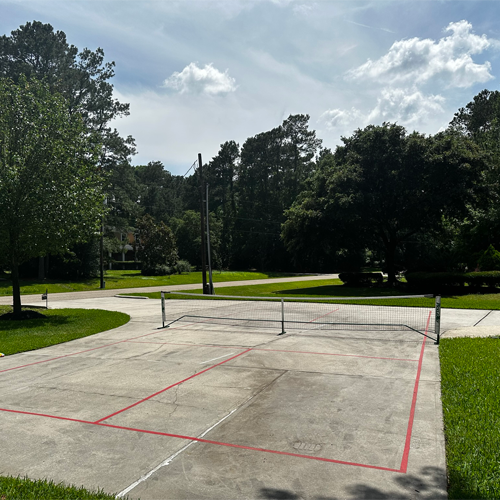
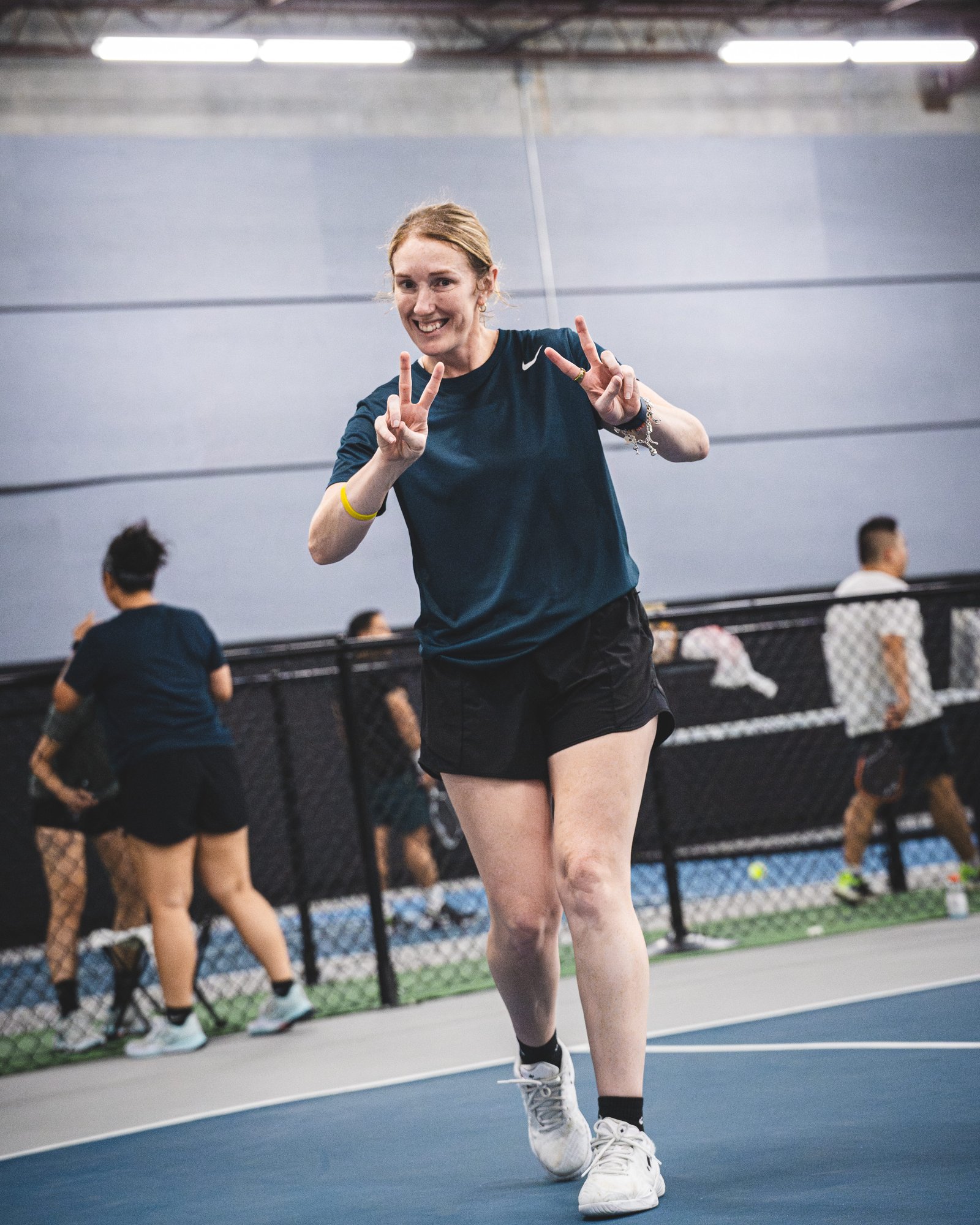
Now, a brief tour of the kinds of environments you’ll encounter at Era Pickleball facilities, to give you a sense of what to expect from the architecture of these spaces and how they influence your performance.
Inside arenas with polished epoxy floors, you’ll typically find a calm, almost clinical efficiency. The floors grip well, the nets are taut, and the lighting is even and bright, which makes it easier to track the ball in high-speed exchanges. The air is conditioned, the temperature is steady, and the acoustics tend to minimize distractions, which helps you maintain focus during longer drills. In these settings, your footwork especially benefits from predictable bounce and predictable particle-free air, which can reduce the cognitive load of the rally and let you execute with greater precision.
Outside, you’ll notice a different rhythm. The sun overhead can shift as the day goes on, and wind can be a factor you must account for in shot selection and depth control. Outdoor venues tend to be more social in nature, a feature that many players appreciate as it aligns with a broader intention to enjoy the game rather than treating it as “serious training.” The flip side is the need for mental flexibility: you must adjust timing for wind gusts and adapt your edge and depth to maintain control. The best players train in both environments because that dual literacy—the ability to switch from wind to wind-friendly shot selection and from indoor uniformity to outdoor variability—gives you a durable game.
As you consider Era Pickleball’s footprint near you, there are several practical questions worth asking before you join a long-term program. What is the typical wait time for court availability during peak hours? How many courts are dedicated to indoor play, and what is the policy on foot traffic through peak times? What is the coverage like for coaching staff—do you have access to a certified coach for private sessions, or is coaching primarily delivered through group clinics? Are there pathways to higher levels of competition without a heavy time commitment, such as half-day scrimmage days or weekend intensives?
Two pieces of advice tend to save you a lot of friction down the road. First, prioritize courts with strong maintenance and reliable booking systems. A clean surface and a straightforward booking interface are the underappreciated but indispensable foundations for consistent practice. Second, when you pick a coach or a clinic, treat it as a long-term relationship rather than a one-off transaction. The learning curve is steeper than you expect, and the right coach will accelerate your progress by focusing on your unique traits—your height, your reach, your shot arc, and your rhythm. A good coach sees your patterns, not only your outcomes, and that perspective is what yields sustained improvement.
If you’re reading this and wondering how to optimize your search for era pickleball near me, here are a few practical micro-steps you can take this week. First, open the Era Pickleball site and locate the page for your city or region. Check the schedule for a beginner-friendly clinic and book a slot. Second, identify the nearest two training partners or friends who can join you for a joint trial session. A partner makes the pickleball tournaments near me first weeks more enjoyable and helps you build a shared rhythm. Third, mark a date on your calendar for your first league night or social event. Even a modest commitment, such as a monthly event, can create a feedback loop that reinforces your practice and accelerates your learning. Fourth, track your results in a simple way: the number of successful serves you land in the service box, the length of rallies you sustain, and your win rate in your first 10 open play matches. These metrics, even when rough, give you clear feedback on where to focus your next block of practice.
In the end, Era Pickleball isn’t just about a place to play. It’s about a community that shows up with a shared language of improvement, a plan for growth, and a setup that makes daily practice practical. It’s about the texture of the court under your feet, the sound of the paddle kissing the ball, the way you feel when you win a point you almost lost, and the sense that, week after week, you are stepping closer to your best. It’s about realizing that you don’t have to be a lightning bolt to enjoy a fast-paced, strategic game. You can become a player who reads the play, keeps a cool head, and makes intelligent choices under pressure. That’s the real value of Era Pickleball: an approachable path into a sport that rewards patience, tact, and tenacity.
Two brief, structured notes to wrap this guide into a practical frame:
-
A practical starter checklist for your first Era Pickleball visit:
-
Confirm the beginner clinic time and plan to attend with a friend.
-
Bring water, proper court shoes, a paddle you’re comfortable with, and a light towel.
-
Arrive 15 minutes early for warmups and to meet the coach or staff.
-
Observe the flow of drills and how players rotate in your chosen session.
-
Schedule your next two sessions before you leave.
-
A concise comparison frame for indoor vs outdoor courts within Era Pickleball:
-
Indoor pros: consistent bounce, controlled climate, faster cadence on some surfaces.
-
Indoor cons: less wind variation, a more rigid practice focus.
-
Outdoor pros: wind and sun prove general shot-selection skills, social energy is higher.
-
Outdoor cons: weather, ground conditions, and potential court congestion during peak seasons.
If you embrace Era Pickleball with curiosity and a plan, you’ll find that the source of your improvement isn’t a single great drill, but a steady cadence of learning, feedback, and practice that aligns with real games. The path from novice to confident club player is seldom quick, but it is reliably repeatable when you follow a structured framework, leverage the right coaching, and commit to a schedule that respects the pace at which you learn. The courts will teach you, but your choices about practice, partners, and persistence will determine how fast you rise.
As you search for Era Pickleball near me and step into one of these facilities, you’ll feel a familiar mix of focus and anticipation. The ball will pop off the paddle with a familiar sound, the court will become a familiar battleground where you test your skills, and the community will become a steady source of encouragement and accountability. That is the essence of Era Pickleball—a place that respects your time, meets you where you are, and offers you a pathway to play your best game, no matter your starting point.