erapickleball.com pickleball coaching: High-Impact Coaching Stories
The gym smells like taped court floor and citrusy disinfectant, a familiar scent that signals a moment of intent. When I take the whistle from my lanyard and step onto the court, I’m not just a coach in a branded polo. I’m a problem solver, a translator of awkward early-week hunches into clean, repeatable movements, and a guide who helps players see the arc of their own improvement. High‑impact coaching doesn’t ride on flashy drills or clever catchphrases. It rests on a few stubborn truths: feedback has to land, technique has to be repeatable under pressure, and character matters as much as swing mechanics. Over the years with Era Pickleball pickleball classes, I’ve learned that the best sessions feel small but carry large consequences, like a single choice on the court rippling through the rest of a player’s week.
If you’re reading this because you’re curious about what it’s like to coach with era pickleball training, you’ll find a mosaic here of concrete techniques, real‑life breakthroughs, and the stubborn realities that separate good practice from game‑changing coaching. The stories below come from the trenches—court time with beginners who become intermediate players, seasoned players who rediscover their footwork, and groups that learn to trust a coaching approach that prizes clarity over bravado. They are not marketing puffery. They’re snapshots of moments where a single drill, a precise cue, or a tiny adjustment flipped a player’s certainty from hesitation to flow.
A coach’s job is to help players see what they’re capable of doing, then remove the friction that hides that ability. That means we lean into systematic progressions, precise language, and attention to what's happening under the skin of the game. It means we are willing to pause mid‑drill if a cue isn’t landing, and it means we celebrate the subtle, often invisible gains—the clean contact, the balance reframe, the decision that arrives just a fraction faster. In the following pages you’ll encounter stories stitched from weeks of sessions, notes from after‑action reviews, and a few stubborn lessons that kept showing up no matter the age or skill level of the student.
The first principle is clarity. Without it, even the best athletes trip over the simplest tasks. In a typical Era Pickleball pickleball class, we begin with a short, sharp diagnostic: what is the player trying to do, what actually happens, and what would better happen if a single lever moved. For many players, the sticking point isn’t velocity or spin or trajectory alone. It’s a mental model mismatch. They know how to swing hard, but they don’t know how to decide when to swing. They know how to slice a backhand, but they don’t trust the bounce of the ball to set up the shot. Our work is to translate intention into tangible, repeatable cues.
A good coaching session begins with observation that is more than mere watchfulness. It’s a set of hypotheses about where the problem emerges. If a player’s early‑morning choice is to rush to the non‑dominant side, the cue becomes not just “step to the shot” but “set your base, then move.” If a player struggles with the soft game near the net, we’ll slow things down, replace brute force with geometry, and anchor the lesson in how the paddle travels through space. The discipline matters, because the court doesn’t forgive uncertainty. It rewards quiet precision—the player who can keep the paddle on a shallow arc, the feet moving in synchrony, the eyes scanning the court in a way that makes the decision appear almost obvious.
One thread that threads through the most successful coaching stories is the rhythm of practice. Short, focused intervals with immediate feedback build confidence faster than long firefight drills where the mind drifts into fatigue or boredom. This is not a matter of making practice easy. It’s about stacking moments of success, each one small enough to be repeatable, but together creating a credible map of improvement. The most powerful sessions I run blend three elements: a technical block, a tactical application, and a pressure test that resembles a game situation but remains controllable. When we mix these elements in measured doses, players can absorb and apply the learning in real games without feeling overwhelmed.
Here are a handful of coaching stories that illustrate the range of outcomes Era Pickleball pickleball training has produced. Each story is anchored in a concrete practice philosophy: diagnose quickly, cue precisely, progress deliberately, and measure impact honestly. As you read, notice how the focus shifts from what the student is doing with their body to what the student is learning about themselves as a player and as a competitor.
Story one: the hesitant hitter becomes a confident quarter‑court attacker I first met Mia on a Tuesday afternoon when the gym’s soft light caught the dust in the air. She was new to pickleball, mid‑forties, with a weekend warrior’s love for the sport and a weekly schedule that barely allowed for practice. Her forehand had power, but it was erratic and, more importantly, misdirected. She’d swing hard and hope the ball would land somewhere close to the line. We started with a simple micro‑drill named the “shadow wall.” She moved to a quiet, controlled pace, and I asked her to focus not on hitting hard, but on aligning her shoulder, hip, and paddle. The target wasn’t a shot that would win the rally; it was a shot that would land consistently inside a zone we defined as the quarter‑court’s middle. In twenty minutes, the air no longer felt like a test; it felt like a canvas. When Mia began to place the ball with accuracy, the arc of her game changed. The following sessions emphasized controlling depth and speed, not just power. Her confidence grew as she learned to threat‑build in small windows, shaping rallies toward places on the court where her balance stayed intact and her return shot became predictable and difficult to read.
Story two: a veteran rediscovering move‑through‑the‑court speed Tom had been playing pickleball for years, a competent server with a decent volley but a chronic tendency to drift on his feet, especially when the pace picked up. He could hit the ball hard, but he’d lose the thread of his footwork when opponents sent a better shot. We started with a “feet, eyes, paddle” triad, a reminder that power comes from stability, not raw arm speed. We drilled the sequence in reverse: first the feet, then the eyes, then the paddle placement. The breakthrough wasn’t a single cue but a shift in his sense of timing. Tom learned to anticipate a shot by reading the opponent’s body language a fraction earlier and to respond with a pre‑set foot pattern that kept his weight over the balls of his feet. The result was not a thunderous winner every rally, but a noticeable reduction in unforced errors and a pair of crisp, functional transitions from defense to offense that looked, to the casual observer, like well‑rehearsed beatboxing on a court.
Story three: the beginner who builds a reliable serve Grace walked into class with a tremor of nerves and a serve that looked more like a nervous tic than a planned weapon. Her first week yielded a handful of aces, but mostly faults, and her frustration grew. We spent the first two sessions clarifying the serve’s objective: establish rhythm, place the ball, and set up the rally with a reliable return. We used a “two‑zone serve” drill that required Grace to alternate between a deep, safe serve and a shorter, trickier placement that invited her opponent to misread her intent. The shift wasn’t dramatic, but it was definitive. By the end of week four, Grace had a serve that she could execute under mild pressure, and her confidence radiated across the rest of her game. She began approaching net with more calm, understanding that the serve can be a launching pad rather than a stress trigger.
Story four: the high‑pace rally and the decision to reset On a crowded Saturday, I watched a pair of players engage in a fast, furious exchange that threatened to devolve into a long squabble of swings. The rally stretched, the court was loud, and the tempo reminded us all that pickleball has a way of testing composure as much as technique. I paused the pair mid‑exchange and used a simple reset cue: breathe, reset your stance, assess the target, then choose a shot that keeps the rally alive rather than ending it with a flashy winner. It sounds almost banal, but the effect was tangible. The players slowed down in a controlled way, the errors dropped, and the quality of the shot selection improved. The lesson extended beyond that single drill: when the pressure rises, the fastest path to stability is not speed or aggression but a deliberate, measured reset.
Story five: coaching through injury and performance plateaus In another season, a player named Raj came back from a minor ankle tweak with a renewed interest in the craft but a fragile confidence level. He worried about re‑injuring himself and restricted his range of movement in both practice and match play. We redesigned his training with a rehabilitation‑forward lens. The coaching focus shifted to sustainable movement patterns, stronger core engagement, and safer footwork that kept the ankle protected while still enabling him to push off and recover quickly. We mapped a progression that included low‑impact drills, a weight‑room component for proprioception, and a set of court drills that reinforced safe pivots while maintaining pace. The improvements weren’t fireworks, but they were real and durable. Raj returned to competition with renewed steadiness and a sharper sense of control, which proved essential during late‑stage rallies when a match could pivot on one disciplined decision.
These stories are not standalone miracles. They are the product of a coaching philosophy that values three core approaches: precise measurement, pragmatic language, and a relentless focus on movement economy. Let me unpack what each of these has looked like in practice, because the best coaching moments aren’t always the loudest ones. They’re often the quiet, almost shy moments when a player finally says, “Yes, I get it now,” and the body responds with a cleaner, more efficient rhythm.
Precise measurement When you’re coaching a sport that blends speed, touch, and strategic placement, numbers matter, but not in a way that tires the learner. We track practical metrics that reflect meaningful progress rather than vanity stats. In Era Pickleball pickleball training, we measure the following: shot accuracy within defined zones, rally length under controlled conditions, footwork efficiency (a simple count of how many valid foot placements occur within a drill), and serve consistency. The numbers aren’t a scoreboard so much as a mirror that shows where attention needs to land next. For a player who struggles with forehand consistency, you might see the improvement in a cluster of hours spent with a wall drill that forces a repeatable contact point. For someone who shies away from the net, the metric could be how often they approach with a balanced base and a safe volley option rather than a heroic swing that risks a miscue.
Pragmatic language Words matter because they shape how a player perceives action. A cue should be unambiguous, repeatable, and easy to recall in the heat of a rally. That’s not always easy in fast, dynamic sports where the swim of information is constant. The most effective cues I’ve used in pickleball coaching are tactile and spatial, not abstract. Think of cues such as “paddle low, elbows in, eyes to the court,” or “feet under your hips, weight forward.” When a cue feels contrived or abstract, the brain closes its door to new learning. It’s better to have a short phrase that maps directly to a physical pattern the body can reproduce. The goal is a mental file that the player can pull during a match and say to themselves with confident certainty.
Movement economy The best players don’t move more; they move better. That’s a simple sentence, but it carries a lot of weight when you start to unpack it on the court. Every drill we design asks one question: does this movement save effort, or does it waste energy and invite error? Perhaps it’s using the last inch of a step to keep balance stable rather than lunging across the court, or it’s choosing a longer, cleaner contact point on the paddle so the stroke becomes more repeatable. In practice, this translates to drills that emphasize pivot efficiency, core engagement, and the management of space on the court. It’s not about training for a single shot. It’s about building a habit of efficient, predictable movement that can adapt to the tempo of a rally. When players understand how to conserve energy and maintain balance, their late‑game performance improves even when the scoreline tightens.
There are limits to any coaching approach. The most valuable coaching plans acknowledge those limits and adapt. For one thing, not every student responds to the same cue in the same moment. Some players pick up a concept almost instantly, while others require a slower, more tactile introduction. Some need a visual model, others a kinetic rhythm, and still others a verbal cue that lands at the precise moment of contact. The art of coaching is to sense which route to take and when to switch directions. It’s the ability to hold a plan loosely and let the lesson breathe when the learner’s pace requires it.
If you’re a player seeking to work with Era Pickleball pickleball coaching, here are a few practical expectations to anchor your participation. We don’t promise overnight miracles. We promise clear, targeted coaching that respects your time and your goals. We promise a learning environment that is kind but not soft, that challenges you book pickleball court without shaming you, and that treats every session as a step toward a larger, coherent arc of improvement. You can expect a few things to happen consistently: honest feedback, drills that connect to your real matches, and a coaching partner who will push you toward better decision‑making under pressure.
Beyond technique, there is a human element to coaching that cannot be ignored. The most enduring stories come from players who begin to notice how the game reflects their own approach to learning and competition. It might be a student who previously avoided the kitchen area, now stepping in with intention to execute a passed shot that keeps the rally alive. It might be a player who discovers that patience and pace in the midcourt can win more than power at the baseline. It could be a group of players who learn to trust one another’s strengths, transforming a set of individuals with different styles into a cohesive unit that communicates well during drills, then translates that camaraderie into improved results in scrimmages and league play.
The coaching journey is rarely a straight line. There are days when a technique sinks in easily and days when it resists every cue you throw at it. Edge cases appear, too. A player who uses a powerful backhand but struggles with a forehand volley may learn to redirect some of their base movement to stabilize the contact point. A player who is rhythm‑sensitive can benefit from a drill that simulates the tempo of a match, with players learning to adjust their pace based on the opponent’s habits. The work is to keep the learning environment precise, practical, and grounded in the realities of competitive play.
In the end, high‑impact coaching is about creating conditions for growth that feel intimate and attainable. It asks for curiosity from the student and disciplined empathy from the coach. It requires a willingness to experiment with cues and drills, then to prune away what doesn’t work. It demands a respect for the process, recognizing that a player’s improvement often comes in quiet increments rather than dramatic leaps. And it rests on a simple truth: when a player learns to trust the process, the court reveals a kind of fluent ease that was always inside them, waiting for the right coaching to unlock it.
Two compact reflections from the trenches illustrate how that trust can develop and endure.
First reflection: intent meets consistency The clearest shifts happen when a player stops chasing immediate results and starts chasing consistent behavior. If a player learns to keep their paddle level during a short rally, the next step is to escalate the pace just enough to test that same level. The goal is not a single brilliant shot but a chain of reliable actions that become second nature. The moment this mental turn occurs is often marked by a small, almost unnoticeable adjustment—the way a weight shifts into the front foot, the steadiness of the wrist at contact, the quiet tempo that replaces a tense, rushed swing. The result is a ball that lands in predictable zones, encouraging the partner to engage in a different way and creating the opportunity for a higher quality point.
Second reflection: the collaborative dynamic Coaching works best when players and coach cultivate a shared project. The trades of information flow both ways. A player offers feedback about what feels awkward, while the coach offers alternatives and testable cues. The best sessions I’ve had were built on mutual respect, with both sides treating mistakes as data rather than as failures. In one memorable session, a group of players stopped mid‑drill to discuss how a specific cue affected their rhythm. They discovered that certain cues landed differently depending on their energy level, so we devised a flexible cue system where players could switch between two or three cues depending on how they felt that day. The conversation itself became a micro‑lesson in adaptability, a reminder that performance is not a fixed target but a dynamic relationship between body, mind, and environment.
If you’re curious about how Era Pickleball pickleball classes translate this philosophy into everyday practice, consider the following snapshot of a typical month. We begin with a diagnostic assessment to confirm where you stand and what you want to achieve. Then we design a targeted plan that addresses both your technical foundations and your tactical instincts. The sessions blend technique blocks with live‑play simulations, punctuated by short, precise feedback loops. The aim is to create a stable improvement curve rather than a peak that collapses once the novelty wears off. At the end of the month, we review your progress with you, celebrate the gains, and identify the next challenges to tackle.
The practical reality is that coaching is an art of balance. It requires a steady hand and a willingness to push when pushback is necessary, and a patient approach when the student needs a slower pace. It demands a consistent emphasis on fundamentals while remaining flexible enough to tailor drills to the unique rhythm of each class. It asks for honesty about what’s working and what isn’t, and it requires a shared sense of purpose between coach and learner. Above all, it honors the truth that improvement in pickleball, like any sport, is a conversation between effort and insight. The more you listen to your own movement, the more clearly you can hear the cues that guide it.
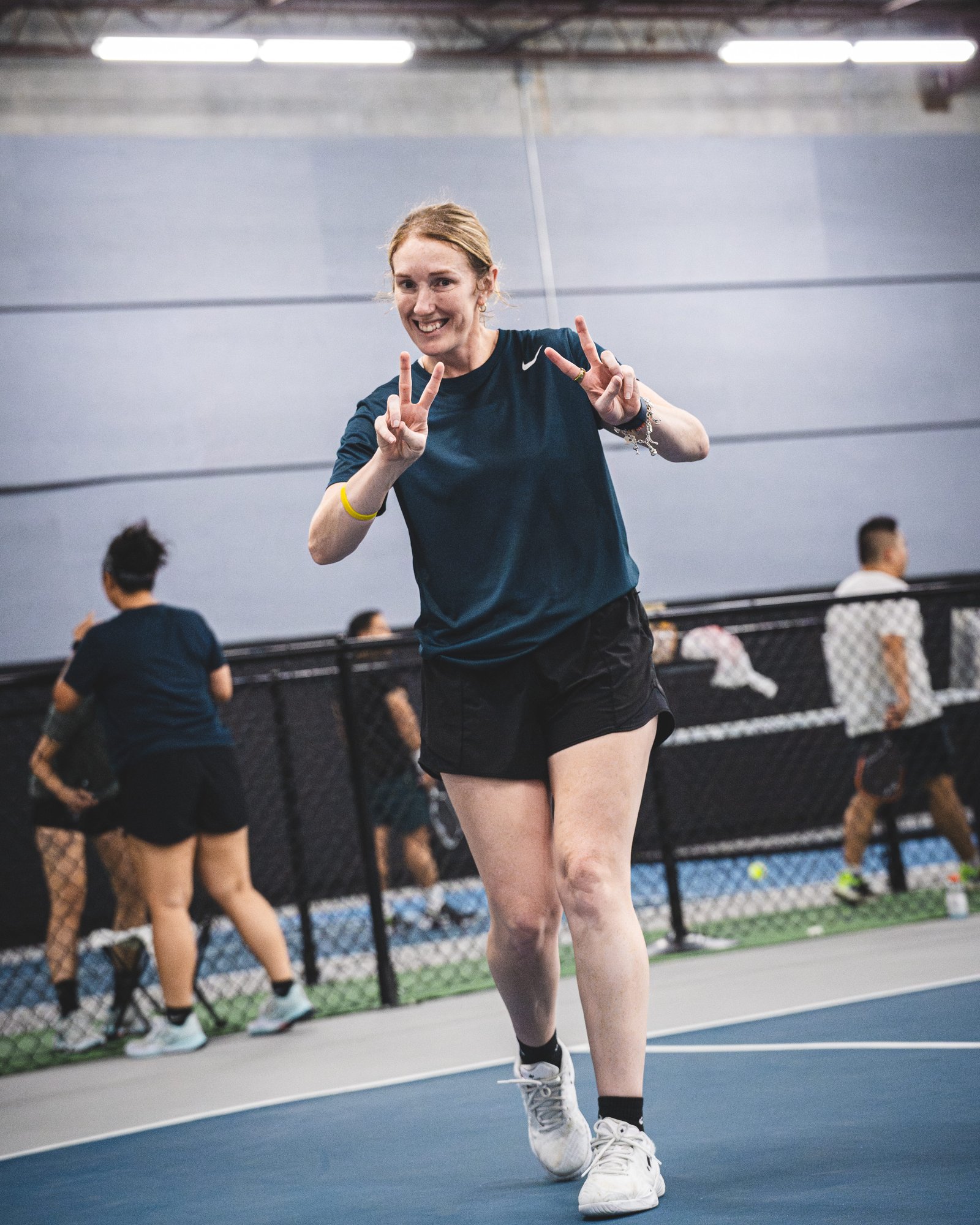
To close, I want to offer a practical note for anyone running or attending Era Pickleball pickleball training sessions or any coaching program with a similar ethos. Build a practice routine that rewards consistency over spectacle. Create drills that reflect the pace and decision points of real games, not just idealized rally sequences. And always leave room for reflection after each session. A five‑minute debrief built on simple questions—What worked? What felt off? What will we try next time?—can accelerate progress more than another hour of unstructured hitting.
The stories above are more than memories. They’re living proof that coaching can be a force multiplier when it is anchored in clarity, empathy, and practical rigor. If you’re seeking a partner on your pickleball journey, a real partner who understands the demands of the sport and the realities of human learning, Era Pickleball pickleball coaching offers more than instruction. It offers a pathway to a more confident, capable version of yourself on the court.
Two compact lists to summarize actionable takeaways
-
Clear, repeatable cues beat abstract instructions every time
-
Short, focused practice blocks build lasting skill
-
Movement economy outperforms brute force in every rally
-
Diagnostic assessments anchor progress and keep goals honest
-
Honest feedback sessions ensure growth stays on track
-
A robust practice plan aligns technique, tactics, and pressure handling
-
Cue language should be tactile, concrete, and easy to recall under stress
-
Movement patterns should emphasize balance, core engagement, and safe pivots
-
Progress is measured through practical outcomes, not just feel or style
-
Coaching partnerships thrive on mutual respect and shared objectives
If you’ve made it this far, you’re likely someone who wants more than just a routine. You want a story you can believe in, a path you can trust, and a set of skills that will carry you through seasons of competition. That is what Era Pickleball pickleball coaching aims to deliver: not a one‑off fix, but a framework for growth that respects the game and respects the player. It’s about learning to read the court with clarity, moving with intention, and making smarter decisions when the pressure climbs.
And if you’re a coach who wants to bring this mindset to your own program, there is a quiet, stubborn truth you can carry into your practice: the most powerful tool you possess is your capacity to help someone see what they can do and to give them a reliable map to do it. The rest follows. The players show up, the drills carry weight, and the shared work of improvement becomes a habit you and your athletes carry into every match, every scrimmage, and every new week of practice. In that shared rhythm, the game stops feeling like a test and starts feeling like a conversation you have learned to hold in both hands—the challenge and the opportunity, together.