Era Pickleball: The Best Pickleball Center in Town
The first time I walked into Era Pickleball, I felt that peculiar mix of relief and curiosity that comes with discovering a space designed for people who take the game seriously without taking themselves too seriously. The boards on the walls show kindred hobbyists who replaced coffee shop chatter with the soft pop of a ball pinging off a paddle. The floors gleam just enough to remind you that this is a place where details matter. And the soundscape—the rhythmic thwack of paddles, the whisper of sneakers on polished concrete, the occasional cheer from a well-placed dink—suggests a center that has learned to balance intensity with hospitality. If you’re seeking a place to train, play, and learn in a way that respects both the craft and the people who practice it, Era Pickleball stands out in a crowded field.
This article is not a glossy brochure. It reflects the experience of players who rotate through the courts, the coaches who shape technique with a practical eye, and the staff who manage the push and pull of a busy facility. It’s about why this pickleball center matters in a town that loves the sport and wants to see its community grow stronger through better practice, smarter scheduling, and an environment that keeps play safe and accessible.
A culture built around practice, not prestige
When you walk through the doors, the first impression is not about branding or glossy slogans. It’s the way the space invites you to leave behind the day’s distractions and focus on the task at hand. There is a real sense of purpose here, but it’s tempered by a respectful, almost collegiate vibe. The staff are quick to help, but never overbearing. They know that a beginner might be nervous, and that a seasoned player will push for a sharper edge in their footwork or their serve. The coaching ethos feels practical, rooted in real-life match play rather than abstract drills. It’s about translating physical capability into reliable tools on the court—the things you can rely on when the score is tight, not just the things that look good on a practice wall.
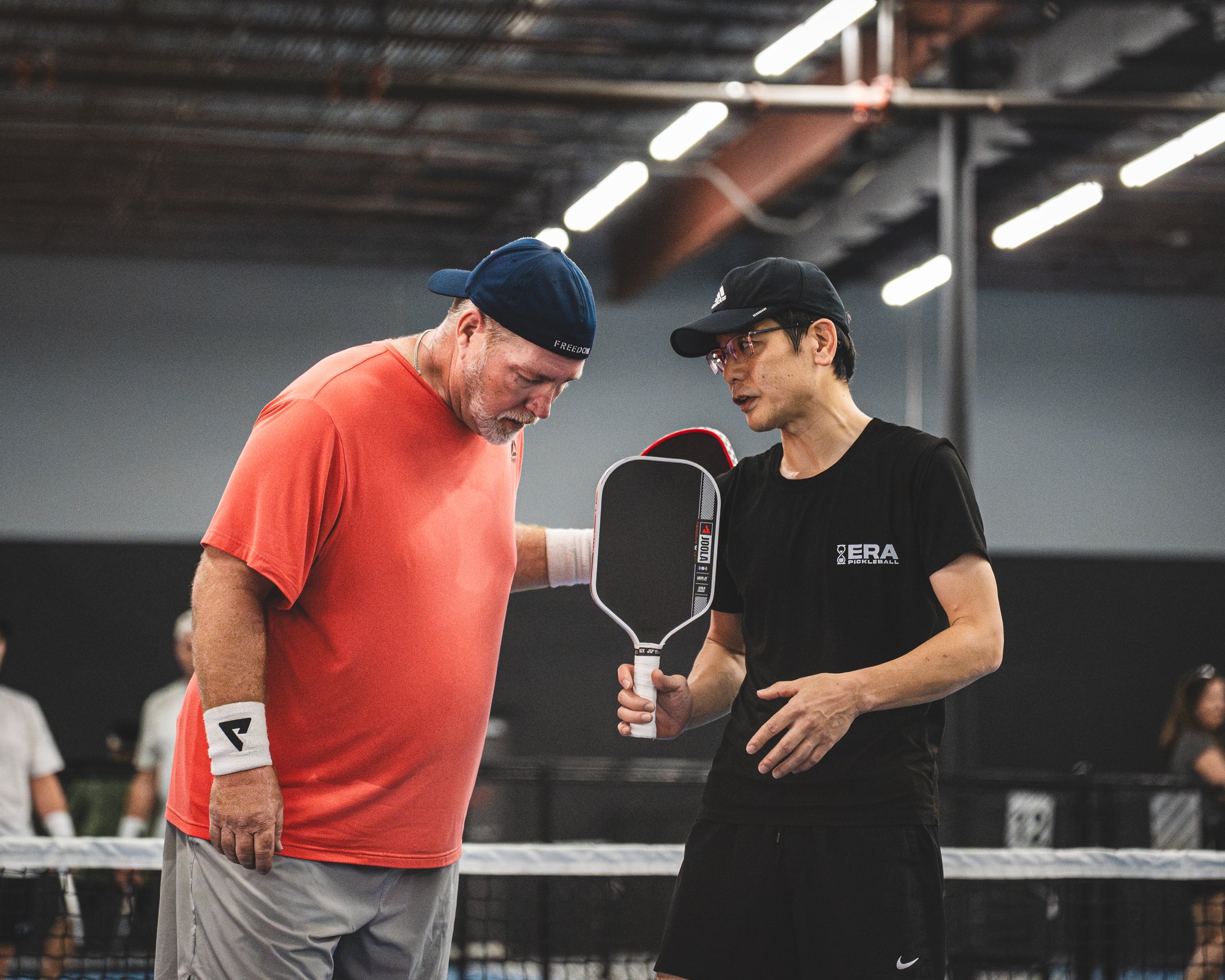
Within Era Pickleball there is a layered approach to development. The pickleball academy at Era Pickleball emphasizes a progression that makes sense whether you’re a newcomer who wants to learn the basics or a club player who is chasing a specific tactical edge. The coaches understand that improvement isn’t a straight line. Some days you might drill serves with a focused intention, while on others you’ll spend time simulating a high-pressure rally that tests your shot selection under fatigue. In this blend of routine and pressure, the center tunes players to handle the mental aspects of the game as calmly as they handle the physical mechanics.
For many, the experience starts online, with the erapickleball.com pickleball academy providing a map of how training sessions, clinics, and private lessons fit together. The site serves as a practical hub, offering schedules, coaches’ bios, and clear pathways for skill development. It feels less like a marketing portal and more like a coordinate system for your growth as a player. If you’re curious about joining, you can browse through a few options, read coach notes, and then decide how you want to approach the next few months of training.
A practical note on access and logistics
Anyone who spends time in a busy pickleball center knows that the magic is often in the details that support the game rather than the spectacle of it. Era Pickleball earns trust by taking care of those details in a way that players notice. The court rental system is straightforward. You can book a court for a block of time that fits around work schedules or school timetables, and you’re never left wondering whether there is a hidden fee or an unclear cancellation policy. The center’s approach to scheduling reflects a respect for players’ time, with an online interface that balances autonomy with accountability. I’ve used it several times to plan a late-evening session after the gym, and I’ve found the booking flow intuitive enough to share with a group of friends who are new to the sport.
The facility makes an effort to be inclusive without diluting the competitive energy that drives most players. There are times when the demand for court space is high, and you’ll see a diverse mix of players—families, weekday workers, retirees, and older adolescents who are balancing after-school duties with training. It’s a reminder that pickleball scales well across ages and skill levels when the environment is well-managed. The center’s staff are careful about court etiquette, but they are not policing every rally. They encourage fair play, quick self-corrections, and a sense that everyone is here to enjoy the game and improve a little bit every visit.
Two notable offerings that distinguish Era Pickleball
One of the recurring conversations I’ve had with players who try this center is about the balance between casual play and structured training. Era Pickleball has crafted a space that respects both tendencies, offering programs that feel accessible without diluting the seriousness of practice when that’s what a player wants.
First, the pickleball academy at Era Pickleball is a central pillar. It isn’t a one-size-fits-all program. It’s built to accommodate a spectrum of players—from the curious about the sport to the dedicated competitor chasing a podium finish at local tournaments. Coaches design sessions around fundamentals, but with a clear lens toward game awareness: shot selection, court positioning, rhythm, and the mental composure that underpins consistent execution. For someone who is new to the sport, you’ll find introduction clinics that break down the basics in approachable terms, with a quick ramp to live play on real courts. For the more advanced, the academies provide targeted drills, video review sessions, and match-play simulations that mirror the pressure of tournament conditions, with the emphasis on learning from mistakes in a constructive environment. The erapickleball.com pickleball academy component ties into in-house programming, but it also acts as a bridge to independent practice, with exercise plans and practice summaries you can take to the court.
Second, the court rental experience deserves attention. The process is streamlined, which matters when you have a group that wants to squeeze in a few games between commitments. The price structure is transparent, and the staff makes it easy to extend a session if you’re on a roll or regroup if you’re in the middle of a learning cycle and realize you need a break. The center’s layout—ample lighting, well-marked lines, and clean surfaces—makes a difference when you’re chasing precise footwork and a consistent bounce. There’s a practical discipline here: mistakes are visible, but the environment is forgiving enough to let you repair them without a punitive feel. It’s a subtle balancing act that is hard to pull off in a busy sport complex, and Era Pickleball has found a comfortable middle ground.
A closer look at the facilities and culture
The court spaces are designed to accommodate different formats without feeling jammed. There are dedicated courts for practice sessions, while others lend themselves to casual pick-up games. The center’s philosophy is not to maximize volume at the expense of quality. You’ll see coaches rotating through groups, offering quick pointers that land because they’re grounded in real play rather than abstract theory. The atmosphere around the courts carries a sense of purpose without becoming solemn. People are there because they love the game they play, and that shared affection translates into better communication, better self-correction, and a kinder approach to the inevitable errors that arise during a tournament week or a long practice block.
If you pay attention to the choreography of a busy day, you notice small, telling details. The rental desk is near the entrance, a place where players can check-in, confirm court assignments, and line up for the next drill. The court boundaries are crisp, and the surface traction is reliable. The noise level is managed in a way that keeps chatter from becoming noise, maintaining a focus that helps players stay in a productive mental zone. The gear shop—modest but well stocked—offers a curated selection of paddles, grips, shoes, and training aids. It’s the kind of place where you can pick up a replacement grip between sets or try a demo paddle for a few minutes to see how it feels before committing to a purchase.
The training community at Era Pickleball extends beyond the courts. Clinics and open houses occur with enough regularity that a player can plan around them, not just hope to stumble upon an event. The impact of this programming goes beyond the immediate skills improved on the court. It creates a social scaffold—a network of players who push one another, share tips, and celebrate improvements that accumulate over weeks and months. It’s not unusual to see conversation spill from court to lounge area, where players exchange war stories about tough matches, share recovery routines, or compare notes on footwork patterns that suit their height and reach.
Edge cases and practical realities
No facility is perfect, and Era Pickleball has its own set of nuanced realities that players should consider before committing deeply. The first concern often voiced is about peak-time congestion. Like any popular center, the busiest periods demand patience and flexibility. If your schedule can accommodate non-peak hours, you’ll likely enjoy a quieter experience with longer rally exchanges and less pressure to rush. If your life centers around occasional play rather than a rigid practice plan, then the flexible reservation system is a meaningful advantage because you can secure a court for a shorter, spontaneous session when a slot opens up.
Another practical point involves progress tracking. Players who value measurable growth will benefit from keeping a simple log of practice blocks, notes from coaches, and a few key metrics such as dink depth, return depth, or the percentage of successful serves under pressure. Era Pickleball supports this kind of self-guided improvement through the academy portal, where you can access drill sequences and track your practice history. If your goal is to translate practice into tournament performance, you’ll want to couple the on-site work with video analysis and in-house clinics that address your specific weaknesses.
For some players, the social dimension is as important as the technical one. The center does a commendable job of fostering an inclusive environment, but the reality of a busy community means you can occasionally encounter personalities who test the boundaries of courtesy. The staff handle these moments with clear policies, but a player must still bring the same level of self-regulation that makes good pickleball possible in any setting. It’s a reminder that even the best centers are ultimately reflections of the people who populate them. The fact that Era Pickleball maintains a high standard here speaks volumes about the leadership and the culture they have built.
Two lists that capture essential facets
Amenities you’ll likely appreciate
- Wide variety of court layouts that accommodate practice, casual play, and competitive drills
- Clear scheduling and intuitive online booking that save time
- Helpful staff who know the sport and respect players
- On-site gear shop with carefully chosen paddles and training aids
- Clean, well-lit courts with reliable surface quality
Programs to consider
- The pickleball academy Era Pickleball for structured development across levels
- Private coaching options through erapickleball.com pickleball academy connections
- Clinics and open houses that blend theory with low-stress live play
- Court rental packages designed for groups and clubs
- Video review sessions and performance feedback tied to on-court drills
Beyond the practical, what makes Era Pickleball different
There’s a sense of craft in the way the center is run that feels almost rare in places that are this accessible. It isn’t just about equipment and schedules. It’s about an attentiveness to the human side of training—the subtle, almost invisible cues coaches give during a drill that nudge a player toward better balance or a more efficient stroke. The coaches’ emphasis on footwork and court positioning translates into real advantage on the scoreboard. You can see it in the micro-decisions during a match: a dink that lands a little deeper because a player has learned to bend their knees and keep a quiet upper body, or a cross-court drive that stays inside the sideline because the hitter has learned to read a defender’s eye movement before the ball leaves the racquet.
The era of pickleball that Era Pickleball embodies is not about chasing novelty. It’s about disciplined practice, but practiced with a sense of curiosity. The coaches introduce new concepts with practical examples—what a specific drill does for your balance, how a certain paddle grip can improve control, and when to deploy a certain serve to disrupt a rally’s rhythm. The training ethos respects both the science of the sport and the reality that the best learning comes from repeated, meaningful engagement with the court.
What to expect if you decide to invest in Era Pickleball
If you decide to join the community here, you’re not simply buying a membership or a series of court hours. You’re joining a learning environment that acknowledges that improvement is often incremental, sometimes barely perceptible week to week, but cumulatively transformative. The pickleball academy program offers a pathway that can scale with your ambition. The site erapickleball.com is more than a storefront; it’s a guide to how and when to escalate your training, add a clinic into your routine, or start a private coaching arc that matches your schedule and budget.
As with any growing sport, you will encounter questions about which path to take. Should you pursue private lessons first, or would a series of clinics give you a broader perspective before you decide to drill deeper? Will you benefit most from a video-analysis session that focuses on your serving mechanics, or would you be better off with a long rally-focused block that improves your endurance and mental game? The center accommodates both routes, and the staff are adept at helping players map out a plan that makes sense for their life and their aspirations.
A note on accessibility and inclusion
Pickleball has an unusual ability to bring people together across backgrounds. Era Pickleball recognizes this strength and works to maintain an environment where everyone can participate without feeling overwhelmed by the pace of competition or the complexity of the sport’s vocabulary. The court rental process is straightforward enough for beginners to feel comfortable. The academy’s introductory offerings welcome the curious with clear language and practical demonstrations. For players who may require additional support, the staff can tailor sessions to accommodate physical considerations or learning differences, ensuring that the sport remains a source of joy and fitness rather than a barrier.
A lived rhythm of growth
After a season of attending clinics, watching a few video breakdowns, and logging a notebook full of small improvements, you begin to sense a pattern. Your rallies become steadier, your movement around the court looks more economical, and your ability to place shots with precision in crowded zones improves. The improvements aren’t loud. They aren’t flashy. They are the quiet outcomes you notice when you return to a match after a week away and realize your balance is steadier and your footwork more deliberate. That steady progress is what keeps players coming back to Era Pickleball, month after month, season after season.
If you are new to the sport, there is also a revealing path here. The combination of a friendly, well-organized center and a clear beginner’s track means you can start with a simple goal—get comfortable with the paddle, learn to keep the paddle face open, and get a feel for the bounce of a fast ball. The academy will guide you toward live play, where you will learn to manage nerves, keep a steady rhythm, and enjoy the small victories of a well-placed shot and a smart rally.
For seasoned players, Era Pickleball offers a different efficiency axis. It’s the quiet art of squeezing value from every session. A well-timed coaching tip can shave a few points off a match by correcting a pickleball near me single habit, and you’ll find these insights in the feedback from clinics and private lessons. The environment is forgiving enough to encourage experimentation, yet demanding enough to ensure that practice translates into tangible results on the court.
A glimpse of the future
If you talk to the leadership at Era Pickleball, you hear plans that are ambitious but grounded in reality. Expansion of the pickleball center appears on the horizon in a way that prioritizes quality over quantity, ensuring that new courts and additional programming do not dilute the level of service that players currently enjoy. The intention is to maintain the core ethos—practical training, supportive coaching, and a community that treats every player with respect—while scaling the capacity to welcome more players and deliver more opportunities for growth.
The center’s approach to tournaments and competitive play also points toward a robust local ecosystem. In addition to practice-focused blocks, there are chances to test your skills in friendly, well-run events that provide a bridge between practice and competition. The emphasis remains on learning, on building resilience, and on the shared joy of playing a sport that rewards consistency and smart decision-making as much as raw speed or power.
Final thoughts
Era Pickleball stands out not because it promises miracles, but because it creates an environment where steady, thoughtful practice can flourish. The pickleball academy and the court rental system are not stand-alone features; they are interwoven parts of a larger philosophy that values clarity, precision, and community. If you want a place where your improvement feels tangible, where play remains enjoyable even as your goals become more ambitious, and where the staff treat your progress as a shared investment, Era Pickleball deserves your consideration.
If you’re evaluating options for a pickleball center in town, ask about the alignment between coaching philosophy and personal goals. Ask about how scheduling can adapt to your life. Inquire about the availability of clinics that address a specific weakness you’re trying to overcome, or the possibility of a structured progression that will take you from first serves to consistent mid-court control. Listen for the subtle cues in how the staff talk about training, and you’ll hear the throughline of a center that values both the science of the sport and the human side of the journey.
In the end, the real measure of a center like Era Pickleball is not the number of courts, the size of the gear shop, or even the fancy branding. It is the quiet confidence that grows in players who commit to a plan, who show up on time, who listen, and who adapt. It’s the sense that you have found a place where your love of the game will be nourished by people who understand what it takes to improve, day after day, rally after rally, season after season. And that is exactly the kind of place Era Pickleball is—a pickleball center where improvement feels earned, community runs deep, and the game remains, at its core, a shared, joyful pursuit.